
Myrtle Beach Police Records and Reports
Myrtle Beach Police Records document incidents, accidents, and arrests within city limits. The Myrtle Beach Police Department maintains these public records. Visitors and residents alike may need copies for insurance claims, legal matters, or personal reference. The South Carolina Freedom of Information Act governs access to these documents. You can request records through the department's Records Division. Response times follow state guidelines. The process is straightforward.
Myrtle Beach Police Records Quick Facts
Where to Find Myrtle Beach Police Records
The Myrtle Beach Police Department maintains all police records for incidents occurring within city limits. The department serves a major tourist destination. Millions visit each year. Records include incident reports, accident reports, and arrest records. The Records Division handles all public requests. You can contact them directly. Written requests work best.
The department operates under South Carolina FOIA laws. This statute grants public access to government records. Myrtle Beach Police Records fall under this law. Some exceptions apply. Active investigations remain confidential. Juvenile records stay sealed. Victim information may be redacted. These protections serve important purposes.
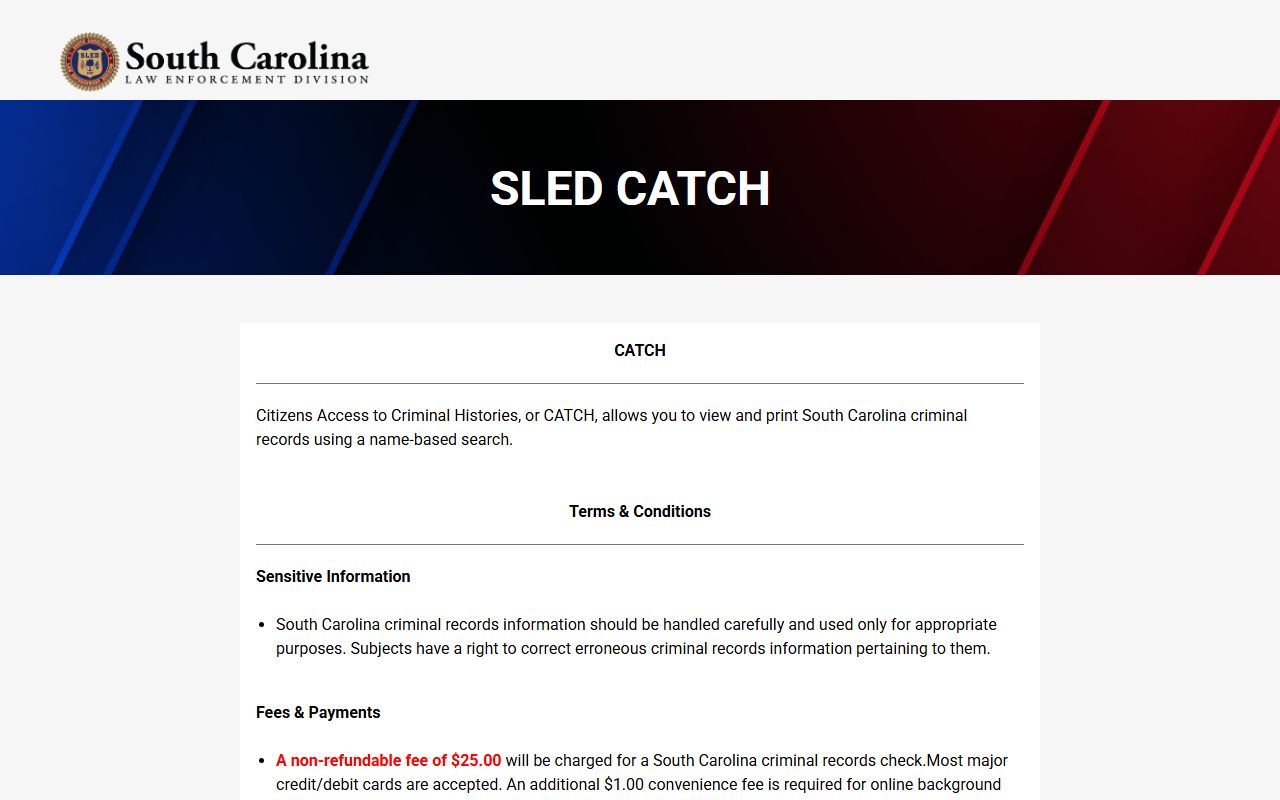
For comprehensive criminal history checks, contact SLED. The State Law Enforcement Division maintains statewide records. Their CATCH portal allows online name-based searches. The fee is $25 per search. Results show South Carolina records only. This includes Myrtle Beach arrests and convictions.
Note: Myrtle Beach Police Records from the local department contain different information than SLED criminal history reports.
Types of Myrtle Beach Police Records Available
Myrtle Beach Police Records include several document types. Each serves a specific purpose. Understanding the differences helps you request the right records. The Records Division can clarify which type you need.
Incident reports document calls for service. Officers write these after responding. They contain the date, time, and location. Witness statements appear here. Officer observations are recorded. These reports help insurance companies. Lawyers use them in cases.
Accident reports cover traffic collisions. South Carolina law requires reporting certain crashes. Myrtle Beach officers file these reports. They include driver information. Vehicle details appear. Insurance companies rely on these. Injury information is noted. Road conditions get described.
Arrest records show booking information. These include the arrestee's name. Charges are listed. Bond amounts appear. Court dates are provided. Mugshots may be included. These records are public in South Carolina.
Additional record types include:
- Supplemental reports adding information to original cases
- Evidence documentation and chain of custody records
- Property reports for recovered or seized items
- Dispatch logs showing call details
The Myrtle Beach Police Department serves a unique community. Tourism creates special considerations. Beach patrol incidents generate records. Special event security is documented. Lost and found reports are maintained. These tourist-focused services add to the department's record-keeping responsibilities.
How to Request Myrtle Beach Police Records
Requesting Myrtle Beach Police Records requires following proper procedures. The Myrtle Beach Police Department accepts written requests. This ensures accurate processing. It creates a record of your inquiry.
Start by gathering specific information. You need the incident date. The location matters. Names of involved parties help. Report numbers speed up searches. The more details you provide, the faster they can locate your records.
Submit your request in writing. Include your contact information. Provide a valid photo ID. Describe the records you need. Be specific. Vague requests face delays. Clear requests get processed faster.
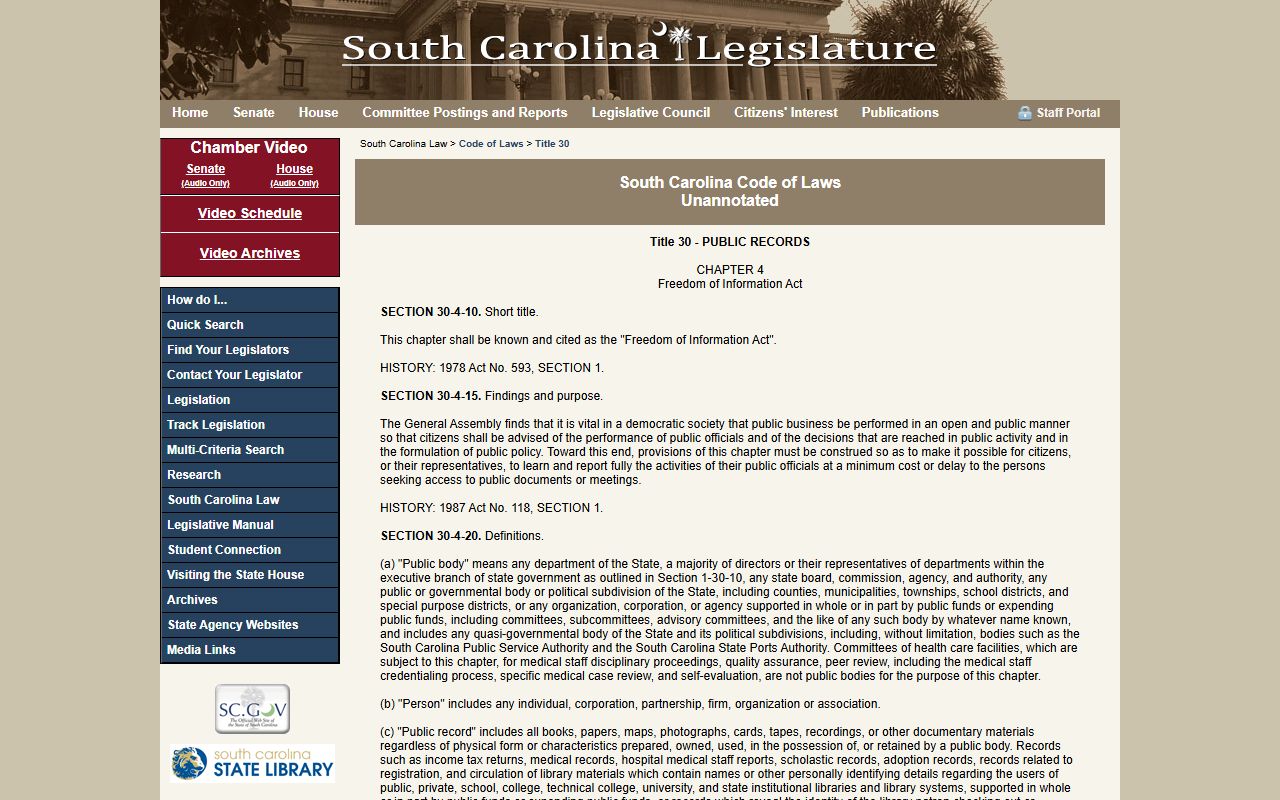
The department responds within FOIA timeframes. Standard requests receive answers in ten business days. Older records may take twenty days. Records over twenty-four months old get extended processing time.
Fees apply for copies. The department charges per page. Certification costs extra. Fee schedules follow state guidelines. Some fees may be waived for indigent requesters. Ask about fee reduction if cost is a hardship.
Online Options for Myrtle Beach Police Records
Some Myrtle Beach Police Records are available online. The department may offer limited digital access. Check their official website. Look for records request portals. Online options save time. They reduce office visits.
The SLED CATCH portal provides statewide criminal history checks. This includes Myrtle Beach arrests. The online system is available 24/7. You need the subject's name. Date of birth is required. Results print immediately. The fee is $25 plus a $1 convenience charge.
Third-party websites aggregate public records. These may include Myrtle Beach data. Be cautious using these services. Verify their accuracy. Official sources provide better reliability. The police department remains the authoritative source.
The South Carolina Judicial Branch maintains court records online. Visit sccourts.org for case information. This shows what happened after arrest. It complements police records. Together they provide a complete picture.
Statewide Criminal Records for Myrtle Beach
Myrtle Beach Police Records represent local law enforcement activity. For complete criminal history, use SLED. The State Law Enforcement Division maintains comprehensive records. They receive data from all South Carolina agencies.
SLED offers two search methods. Name-based searches use the CATCH portal. These cost $25. Fingerprint-based searches provide more accuracy. They require visiting an authorized location. Both methods require proper identification.
SLED records include arrests from Myrtle Beach. They show convictions statewide. The database covers all 46 counties. Records date back many years. This is the most thorough check available. Employers often require SLED checks. Licensing boards use them.
Reduced fees apply for certain organizations. Charitable groups pay $8. Schools get free checks for teachers. These discounts require verification. Submit documentation with your request. Contact SLED for qualification details.
Note: SLED checks do not include sex offender registry information. Search the SORT database separately. This is free. It covers all South Carolina registered offenders.
What Myrtle Beach Police Records Include
Myrtle Beach Police Records contain detailed incident documentation. Officers record specific facts. These create an official account. Understanding what records include helps you use them effectively.
Standard incident reports contain:
- Date and time of the incident
- Location with address details
- Reporting officer's name and badge number
- Names of involved parties and witnesses
- Description of events in narrative form
- Evidence collected at the scene
- Follow-up actions taken
Accident reports add vehicle information. Driver license numbers appear. Insurance details are recorded. Diagrams may be included. Injury severity is noted. Contributing factors get identified. These reports support insurance claims.
Arrest records document the booking process. They include fingerprints. Mugshots are attached. Charges are specified. Bond amounts are listed. Court dates are scheduled. These records track a case's beginning.
Records may be redacted. Personal information gets protected. Social Security numbers are hidden. Medical details are removed. Juvenile identities stay confidential. These redactions follow state law. They balance transparency with privacy.
South Carolina FOIA and Myrtle Beach Records
The South Carolina Freedom of Information Act governs access to Myrtle Beach Police Records. This law creates your right to inspect public documents. It applies to all government agencies. Police departments must comply.
FOIA establishes response deadlines. Agencies have ten business days for recent records. Older records get twenty days. Failure to respond means automatic approval. Requesters can seek court enforcement. Attorney fees may be awarded.
Certain records are exempt from disclosure. Active criminal investigations remain confidential. Confidential informant identities are protected. Techniques and procedures stay secret. These exemptions serve public safety. They protect ongoing cases.
Myrtle Beach Police Department follows these rules. They have established request procedures. Staff understand FOIA requirements. They process requests consistently. This ensures fair access for everyone.
Appeals are possible. If denied, you can challenge. Contact the department first. Escalate to the courts if needed. Legal assistance may help. Many FOIA disputes resolve through negotiation.
Browse Nearby Police Records
Myrtle Beach is located in Horry County. Other nearby communities have their own police records systems. You may need records from these areas too.